


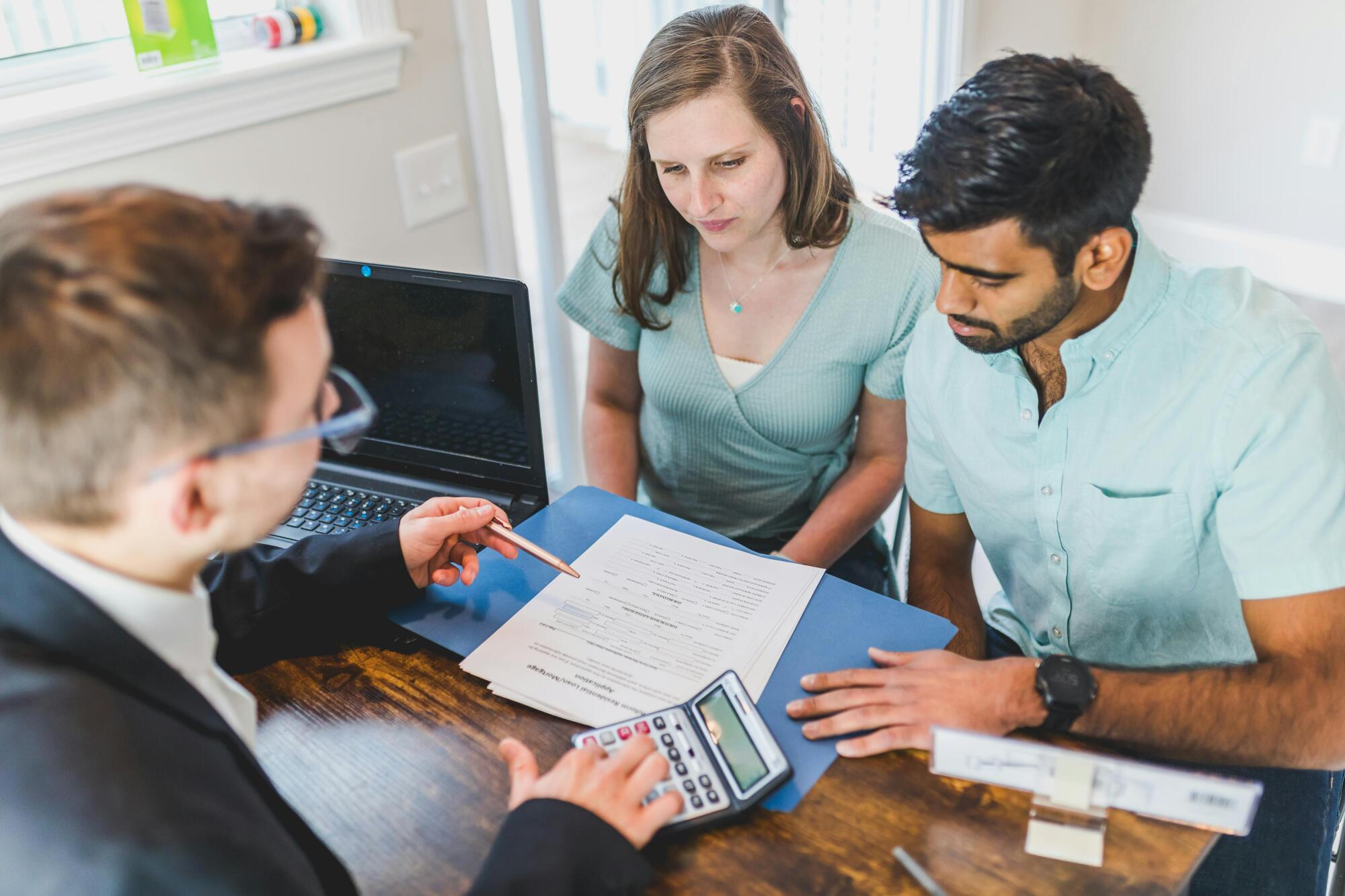
What Are Closing Costs? Uncover These Home Expenses
What are closing costs? They are fees and prepaid expenses required to complete a home purchase and finalize a mortgage. Buyers should budget for them separately from the down payment because they can add thousands to the cash needed at closing.
In 2024, 84% of home buyers purchased a primary residence, representing about 4,746,000 homes sold, according to the National Association of REALTORS®. For millions of buyers, the closing table was the final stop before getting the keys.
Excitement can fade when unfamiliar fees appear beside the down payment. Appraisals, title services, lender charges, insurance, taxes, and prepaid interest can affect the final amount due.
Closing costs are not one fee. They are a group of charges tied to financing and transferring a property.
Knowing what to expect gives buyers more control. A clear plan can reduce surprises and protect savings.
How Much Are Closing Costs on a House?
Buyer closing costs commonly fall around 2% to 6% of a home’s purchase price or loan amount, depending on the loan, lender, location, and transaction. A $350,000 purchase could involve several thousand dollars in added costs.
Actual mortgage closing costs vary with:
- Discount points
- Mortgage insurance
- Taxes
- Prepaid expenses
- Local fees
FHA loans, VA loans, conventional loans, USDA loans, jumbo loans, and other mortgages can carry different requirements.
Use percentage ranges for early planning, not as a final quote. Loan documents provide the numbers that matter most.
Who Pays Closing Costs, the Buyer or Seller?
Both sides can have real estate closing fees, but buyers usually pay most mortgage-related charges. Sellers often pay expenses tied to transferring ownership and any negotiated credits.
A purchase contract may allow the seller to contribute toward certain buyer costs. Loan programs can limit seller contributions, so buyers should ask their mortgage professional what is allowed.
Seller help can reduce cash due at closing. Buyers should still review the full financial deal before accepting a credit.
What Are Closing Costs on a House?
Many home-buying expenses pay for work completed before ownership changes hands. Common charges may include:
- Loan origination or underwriting fees
- Appraisal and credit report fees
- Title search and title insurance costs
- Recording or government fees
- Escrow or settlement charges
- Prepaid homeowners insurance and interest
- Initial property tax or insurance reserves
- Mortgage insurance when required
Some appraisal or inspection charges may be paid before closing.
Use the Loan Estimate to Plan Ahead
The Consumer Financial Protection Bureau says lenders generally must provide a Loan Estimate within three business days after receiving a complete mortgage application. The document lists estimated loan terms, payments, and closing costs.
Be sure to review all of the following:
- Lender charges
- Services you can shop for
- Taxes
- Prepaids
- Escrow deposits
- Cash to close
A low advertised rate does not automatically mean the lowest-cost mortgage. Fees and points can change the overall value of an offer.
Review the Closing Disclosure Before Signing
The homebuyer closing process includes a final document check before funds and ownership change hands. The Closing Disclosure shows:
- Final loan terms
- The projected payment
- Closing charges
- Cash needed to close
Borrowers generally receive it at least three business days before closing. Compare it with the latest Loan Estimate. Ask about any unexpected changes.
Errors should be addressed before signing whenever possible. Early questions can prevent confusion at the closing table.
Can Buyers Reduce Closing Costs?
Some costs are fixed by government rules or third parties. Others may allow comparison or negotiation.
Buyers can manage costs by:
- Asking about lender credits
- Discussing seller concessions
- Reviewing assistance programs
A lender credit may reduce upfront cash in exchange for a higher rate, so long-term cost matters.
Prequalification can also help build a more complete budget before making an offer.
Lund Mortgage Team, Inc., based in Glendale and serving borrowers across the Phoenix area and other Arizona communities, offers purchase financing and loan options including:
- Fixed-rate
- ARM
- FHA
- VA
- USDA
- Jumbo mortgages
Knowing the available loan choices can help a buyer weigh the monthly payment against upfront expenses. One financing structure may require more cash initially but provide benefits that better match long-term goals.
Frequently Asked Questions
Are Closing Costs the Same as a Down Payment?
No. A down payment reduces the amount borrowed to purchase the home. Closing costs pay for services, lender charges, prepaid expenses, and transaction costs needed to complete the purchase.
Both amounts can be due around the same time, which is why buyers should budget for them separately. Earnest money already deposited may also affect the final cash-to-close figure.
Can Closing Costs Be Rolled Into a Mortgage?
Sometimes. Options depend on the loan program and transaction. A lender may offer credits in exchange for a higher interest rate, while certain refinance transactions may allow costs to be added to the loan balance.
Purchase loans can have different restrictions. Financing costs reduce upfront cash but may increase the amount paid over time. Compare the short-term savings with the long-term expense before choosing.
Ask your lender to explain how each option affects your monthly payment and total loan cost.
What Happens if Closing Costs Change Before Closing?
Some fees can change when circumstances change, while others have limits on how much they may increase. Review every revised Loan Estimate and compare the final Closing Disclosure with earlier documents.
Ask the lender to explain any:
- New charge
- Higher fee
- Unexpected credit
A clear explanation helps buyers decide whether the change is reasonable and whether action is needed before signing.
Understand the Closing Costs and Get Prequalified Now
What are closing costs? Understanding them makes it easier to prepare for the full cost of buying a home.
Lund Mortgage Team, Inc. offers guidance for buyers who want clear answers and financing options matched to their goals. The family-owned team emphasizes honest mortgage advice, responsive service, and licensed loan consultants who work together to move loans toward closing. Help is available beyond a typical 9-to-5 schedule when buyers need answers.
Contact Lund Mortgage Team, Inc. to get prequalified now to learn what you may qualify for, estimate your likely cash needs, and take the next step toward buying a home with greater confidence.